01
Roof surface
Review the membrane or assembly, visible seams, wear, and evidence of standing water.
LOW-SLOPE SYSTEMS / WATER MANAGEMENT
Pro Roofing Service Long Beach repairs and installs flat and low-slope roofs on Long Beach homes and buildings. A flat roof only works when its waterproofing is continuous and water has a clear path off the roof. We are licensed and insured, and estimates are free.
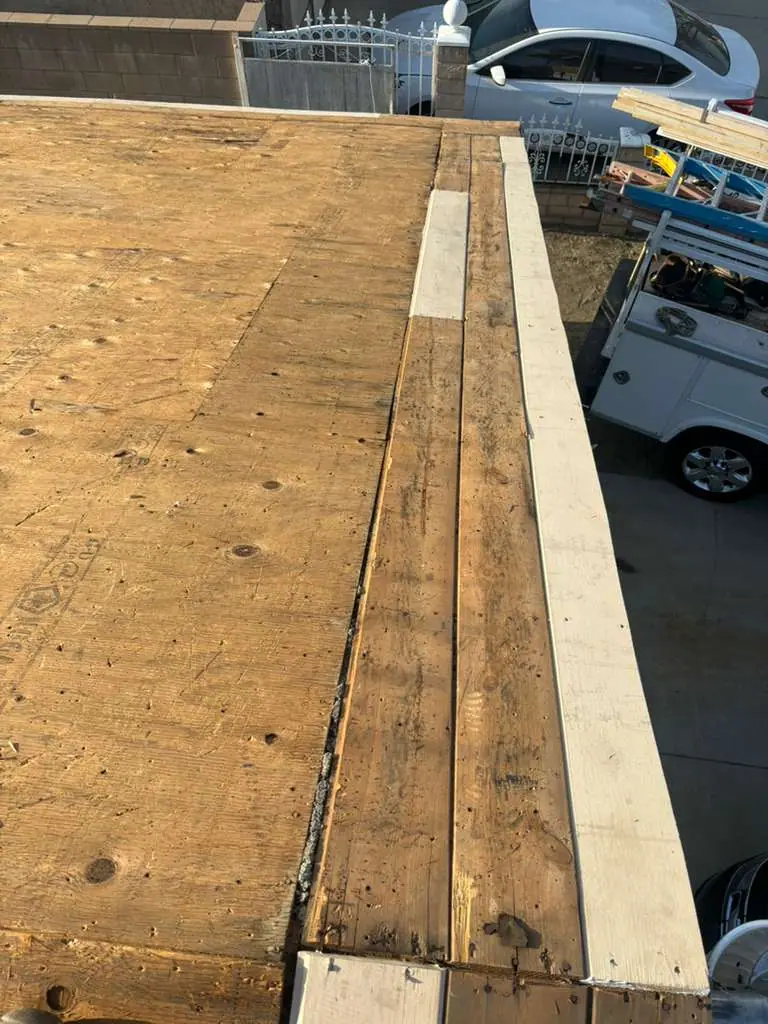
YOUR PROJECT, IN FOCUS
Review the membrane or assembly, visible seams, wear, and evidence of standing water.
Identify intended water paths, drains, scuppers, and any overflow provisions that need evaluation.
Consider perimeter details, equipment curbs, and other locations where waterproofing must remain continuous.
WHAT WE COVER
Finding and repairing leaks at seams, edges, drains and penetrations.
Looking at where water collects and how it leaves the roof, before recommending a repair or renewal.
Detailing around parapets, edges, vents and equipment supports.
A clear recommendation on whether a repair is practical or the roof surface needs renewal.
UNDERSTAND THE WORK
A low-slope roof should move water to the intended outlets. Persistent ponding can signal a drainage or structural condition that needs investigation. Ask how the roof slope, drains, scuppers, and overflow provisions will be evaluated rather than assuming a new surface alone will resolve the problem.
Different membranes and coatings are not automatically compatible. Identify the existing assembly and consult relevant product requirements before repairs or overlays. A written proposal should address preparation, seams, flashing heights, penetrations, and how rooftop service traffic will be managed.
WHEN TO TAKE A CLOSER LOOK
Water remaining on the roof can relate to drainage, slope, or structural conditions. A new coating alone should not be assumed to correct it.
Visible seam separation, punctures, or surface damage should be assessed for compatibility and the condition underneath.
Curbs, penetrations, and parapet transitions need attention as part of the assembly, not only the field surface.
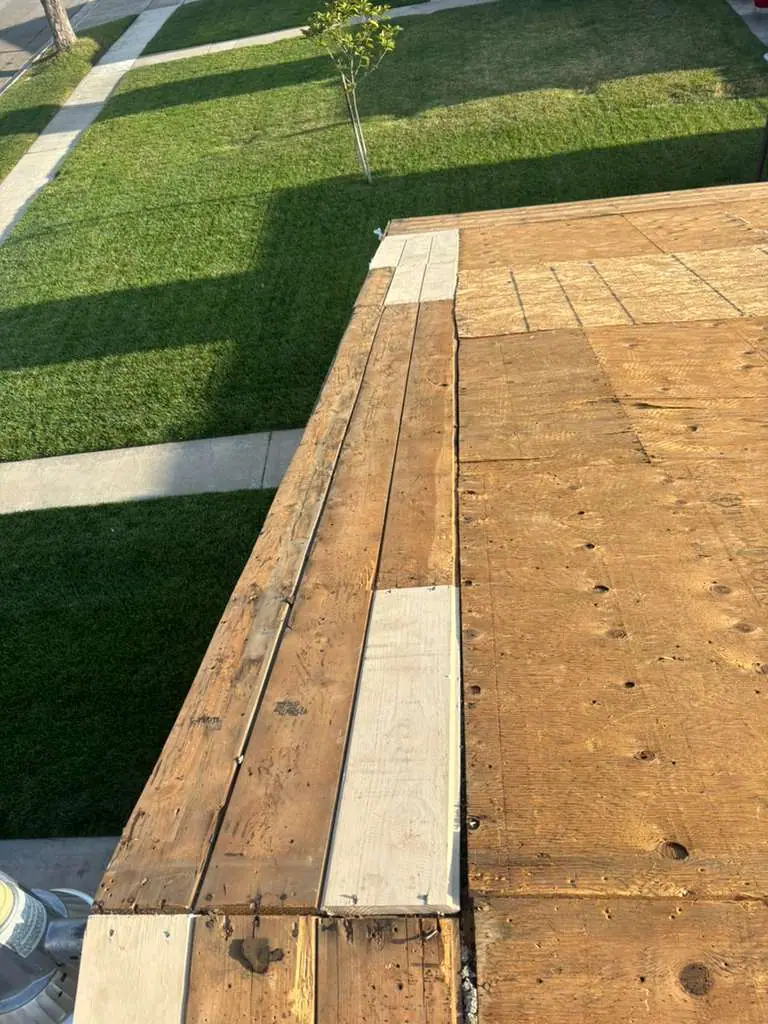
WHAT TO EXPECT AND CONFIRM
These are the typical stages of the work. Access, scheduling, and the final scope are agreed for your actual property before work begins.
Establish the roof type, repair history, drainage design, and rooftop use.
Discuss visible findings, access limitations, and whether additional investigation is appropriate.
Clarify how outlets, edges, seams, equipment, and substrate conditions will be addressed.
Review weather constraints, access protection, completion documentation, and material-specific maintenance.
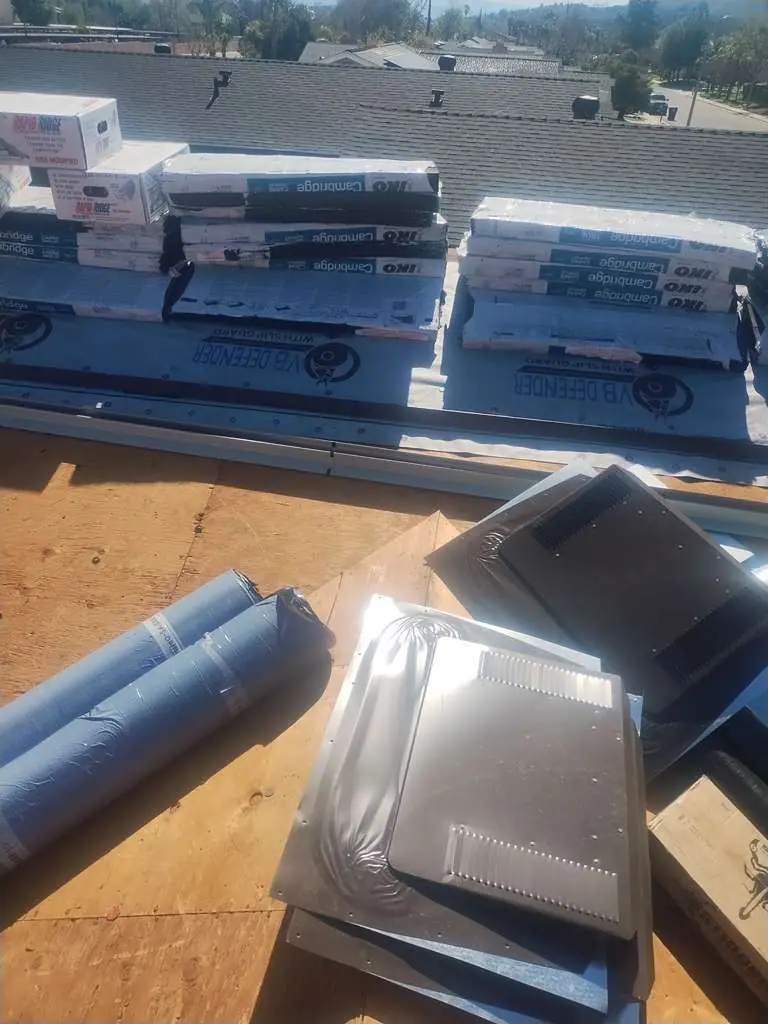
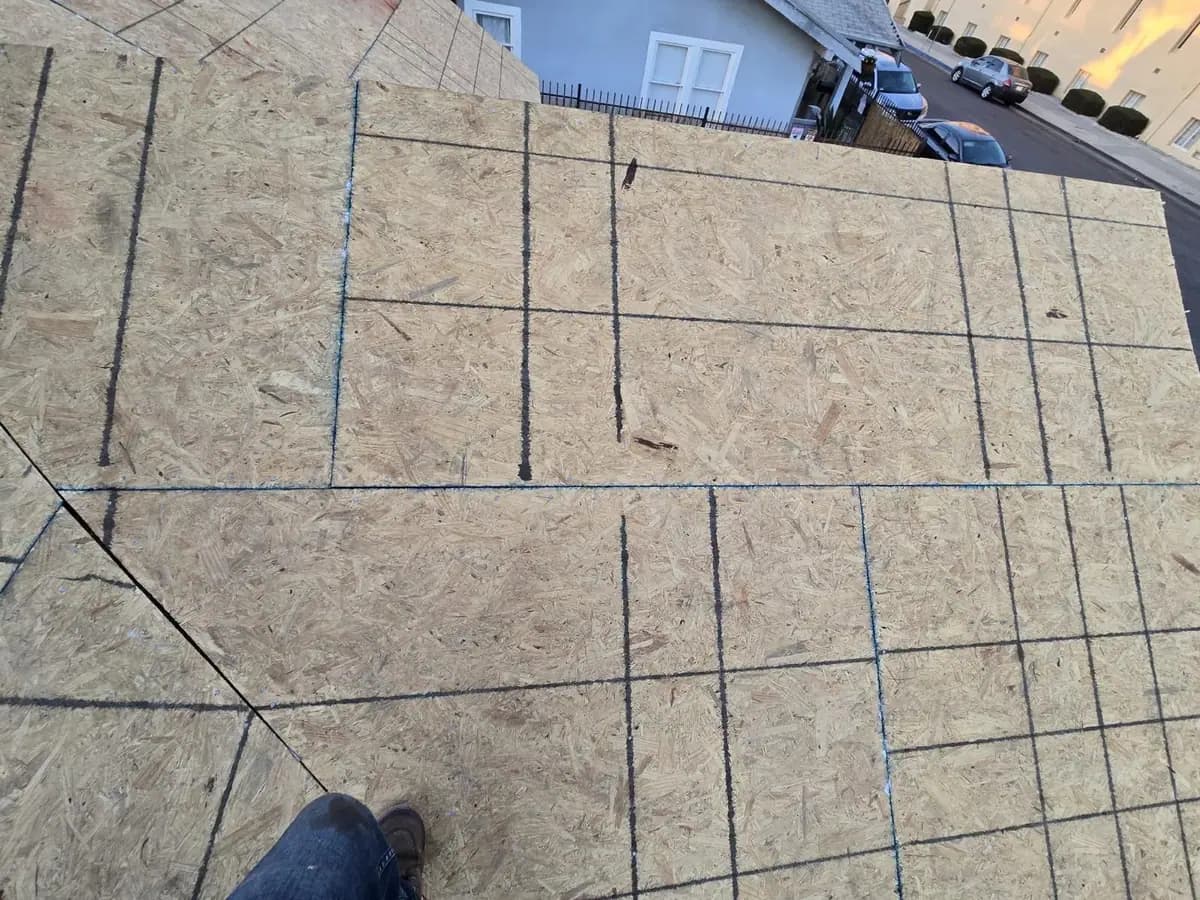
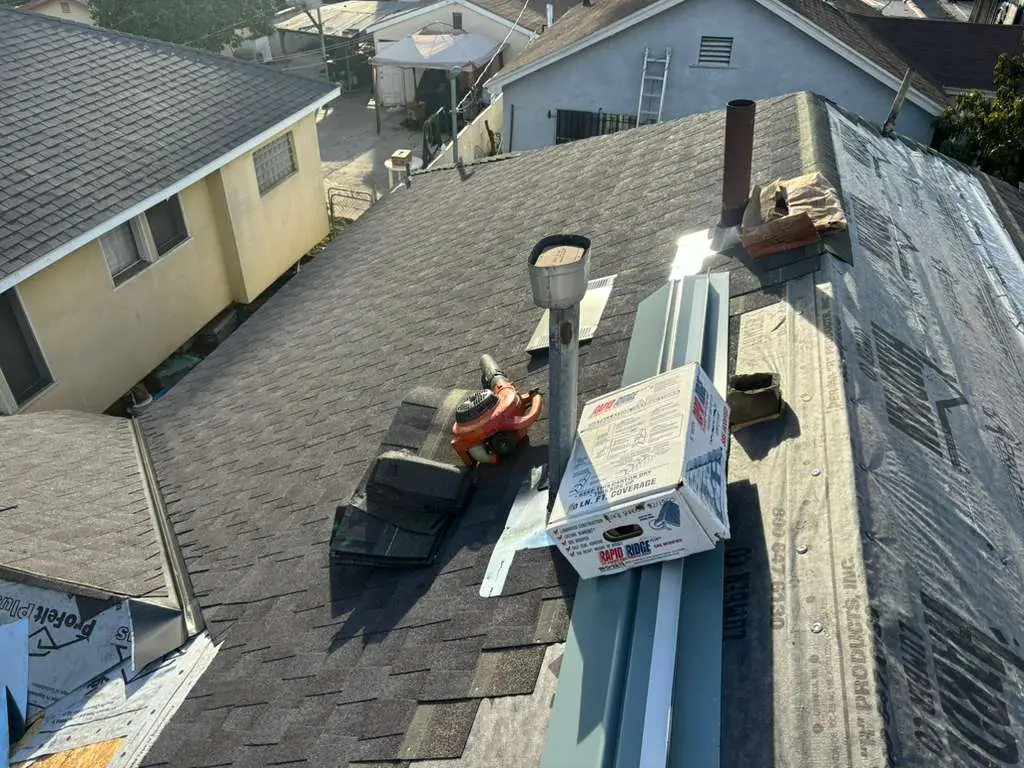
FROM OUR ROOFING WORK
COST WITHOUT GUESSWORK
Every estimate is free and follows your property and the agreed scope. These factors shape the price of the work.
LONG BEACH & SOUTHERN CALIFORNIA
Long Beach low-slope roofs should be planned for rainwater movement even in a relatively dry climate. Coastal exposure may affect metal edge details and rooftop accessories. Confirm local requirements and manufacturer guidance for the actual assembly and property.
Both of the City's permit guidance pages list applying hot or cold roof coatings among the work that does not need a building permit.
Source: City of Long Beach, Do I Need a Permit? · Verified October 22, 2026
Long Beach spans two California building climate zones. The City's climate zone map places ZIP codes 90805, 90807 and 90808 in Climate Zone 8 and the rest of the city in Climate Zone 6, and the City notes that energy-law requirements differ from one zone to the other.
Source: City of Long Beach, Energy Conservation and Climate Zone Map · Verified October 22, 2026
For historic properties, the City's re-roofing application states that clay tile coping must be reused on all flat roofs.
Source: City of Long Beach, Certificate of Appropriateness Re-Roofing Application (revised 12/16/2025) · Verified October 22, 2026
SERVICE-SPECIFIC ANSWERS
Low-slope roofs generally need planned drainage rather than an assumption that water will evaporate. Actual slope, outlets, overflow, and structural conditions should be reviewed. A roof’s name alone does not explain how it manages water.
Do not assume so. A coating may renew a suitable surface but does not automatically correct drainage geometry or a damaged substrate. Determine the cause and review the selected product’s limitations.
No. Material identification and compatibility matter. Repairs, adhesives, seams, and preparation should follow the requirements for the actual assembly. An incompatible patch can create another failure point.
Discuss safe drainage checks, debris removal, seam and penetration observations, and protection from rooftop service traffic. The schedule should reflect the assembly, exposure, and manufacturer guidance rather than a universal interval.
Record when rain stopped, where water is visible from a safe location, and whether it clears between storms. Note any indoor staining or changes around outlets and overflow points that you can observe without roof access. Share safe photographs and earlier drainage work records. Water patterns need assessment in the context of the actual slope, outlet design, and roof system; a photo alone cannot establish the cause. Do not walk a wet roof, open roof drains, or move rooftop equipment to investigate.
Both of the City's permit guidance pages list applying hot or cold roof coatings among the work that does not need a building permit. If your building is in a historic district, check with the City whether a Certificate of Appropriateness is needed for exterior changes.
They can. Long Beach spans two California building climate zones and the City notes that energy-law requirements differ between them. Confirm the requirements that apply to your address and roof before materials are selected.
FREE ROOFING ESTIMATES
Licensed and insured roofing in Long Beach. Call for a free estimate.