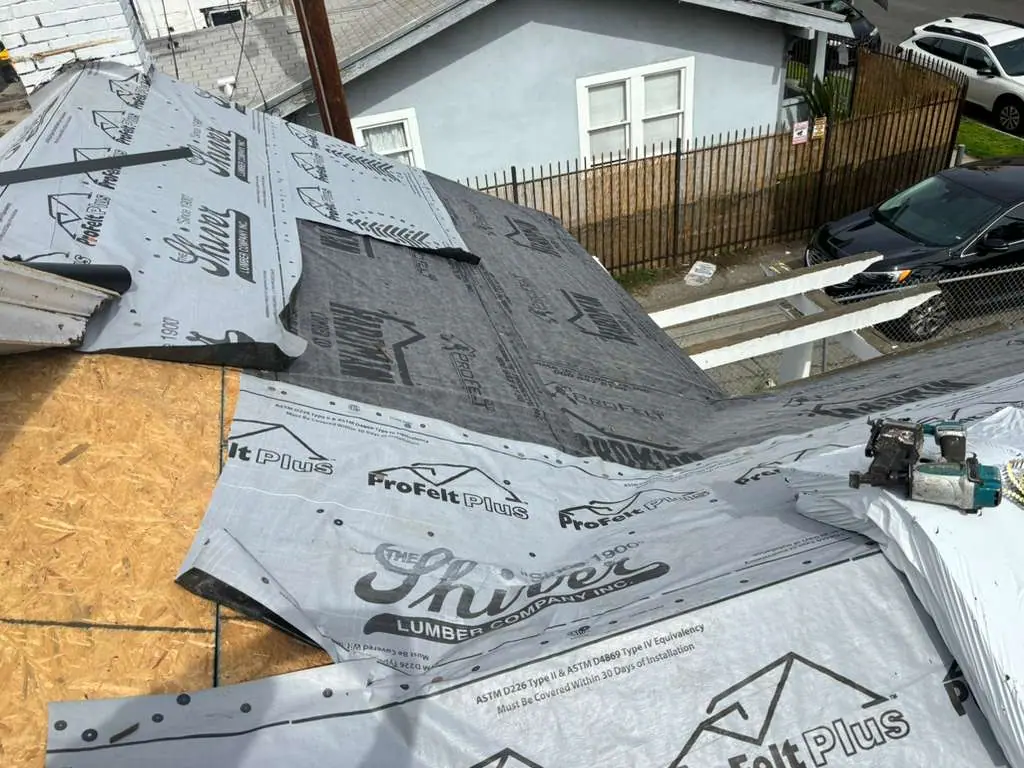
Pro Roofing Service Long Beach works on clay and concrete tile roofs for Long Beach homes and buildings. On a tile roof, the tiles shed most of the water, but the underlayment beneath them is what keeps the building dry. We are licensed and insured, and estimates are free.
From our roofing work. Printed underlayment across a roof slope beside an exterior wall and vent pipe. Underlayment is the waterproofing layer that a tile covering depends on.
YOUR PROJECT, IN FOCUS
Separate the tile from the waterproofing discussion.
1
Tile covering
Review cracked, displaced, or damaged tiles and whether replacement pieces are compatible.
2
Underlayment and details
Ask about the water-managing layer, flashing, valleys, and penetrations beneath and around the covering.
3
Deck and structural support
Confirm the condition and suitability of the support assembly, particularly when changing material weight.
WHAT WE COVER
Our tile roofing work
Broken and displaced tiles
Replacing cracked or slipped tiles and checking what caused them to move.
Underlayment beneath the tile
Evaluating and renewing the waterproofing layer under the tiles, where many tile-roof leaks start.
Flashing and transitions
Valleys, walls, vents and edges detailed to keep water moving off the roof.
Historic tile roofs
Planning material choices around the City's historic-district requirements.
A cracked tile is visible, but the source of a leak may involve underlayment, flashing, or a penetration. Ask whether tiles can be safely reused and what happens if a matching profile is no longer available. Walking tile can cause damage, so assessment and access need appropriate care.
Check structural suitability
Tile assemblies can be heavy. A change in roof covering may require structural evaluation and confirmation of local requirements. Discuss fastening, edge details, valleys, underlayment selection, and how the system accommodates the particular roof slope and exposure.
MATERIALS, SCOPE & DECISIONS
Clay or concrete tile, tile reuse and underlayment repair
Clay and concrete products
Profiles, weight, fastening, and accessory requirements differ. Review product documentation rather than assuming all tiles can be interchanged.
Tile reuse and availability
Some projects may allow reuse, but condition, safe handling, breakage, and matching profiles affect the plan. Confirm expectations in writing.
Repair versus broader underlayment work
A cracked tile and deteriorated underlayment are different problems. Ask what evidence supports a targeted repair or a more extensive lift-and-relay or replacement scope.
WHEN TO TAKE A CLOSER LOOK
Signs your tile roof needs repair
Broken or displaced tiles
Visible tile damage can expose the assembly to weather. Safe access matters because walking the covering can cause additional breakage.
Leaks despite intact-looking tiles
A leak can involve underlayment or flashing even where tiles appear sound from the ground.
A planned change in covering
Switching to a heavier or different assembly calls for structural and project-specific review, not only an aesthetic decision.
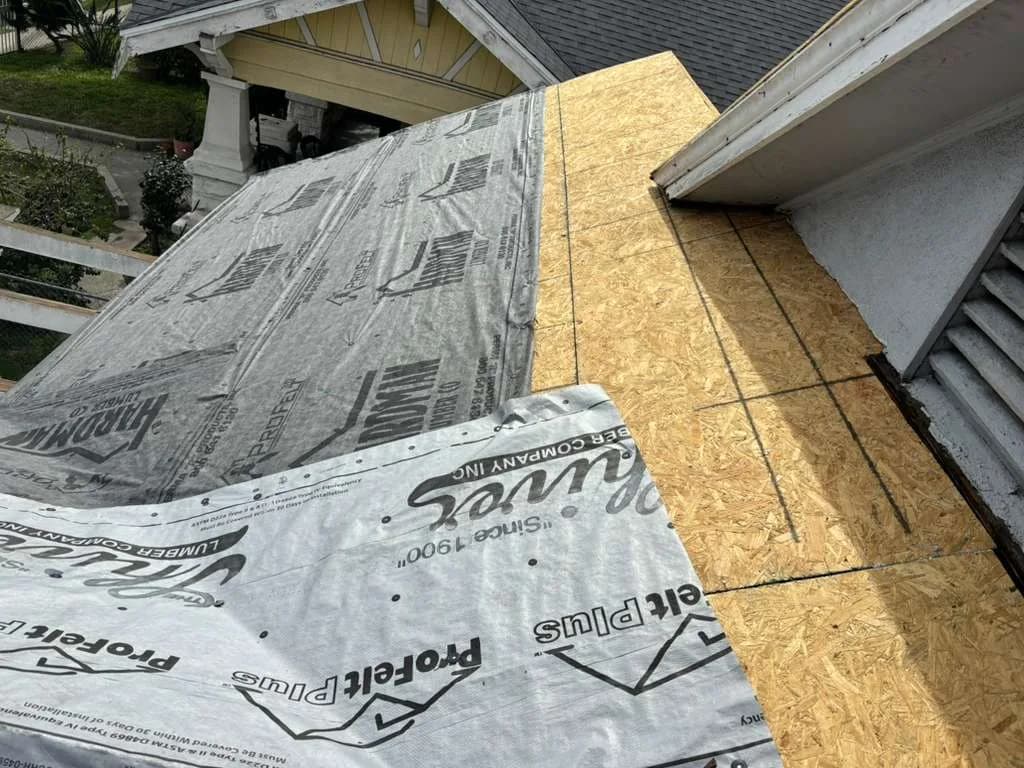
Think beyond the tile itself.Underlayment at a roof transition. This preparation detail illustrates the layers below a covering.
WHAT TO EXPECT AND CONFIRM
How tile roof work is planned, from tiles to underlayment
These are the typical stages of the work. Access, scheduling, and the final scope are agreed for your actual property before work begins.
01
Assess covering and symptoms
Share leaks, visible damage, and prior work. Discuss safe observation and any limitations.
02
Evaluate the lower assembly
Clarify what is known about underlayment, flashing, and deck conditions and whether further investigation is needed.
03
Define handling and materials
Agree on reuse assumptions, replacement tile availability, fastening, and the treatment of damaged components.
04
Confirm completed scope
Review the documented work and care guidance, including limits on roof access and maintenance.
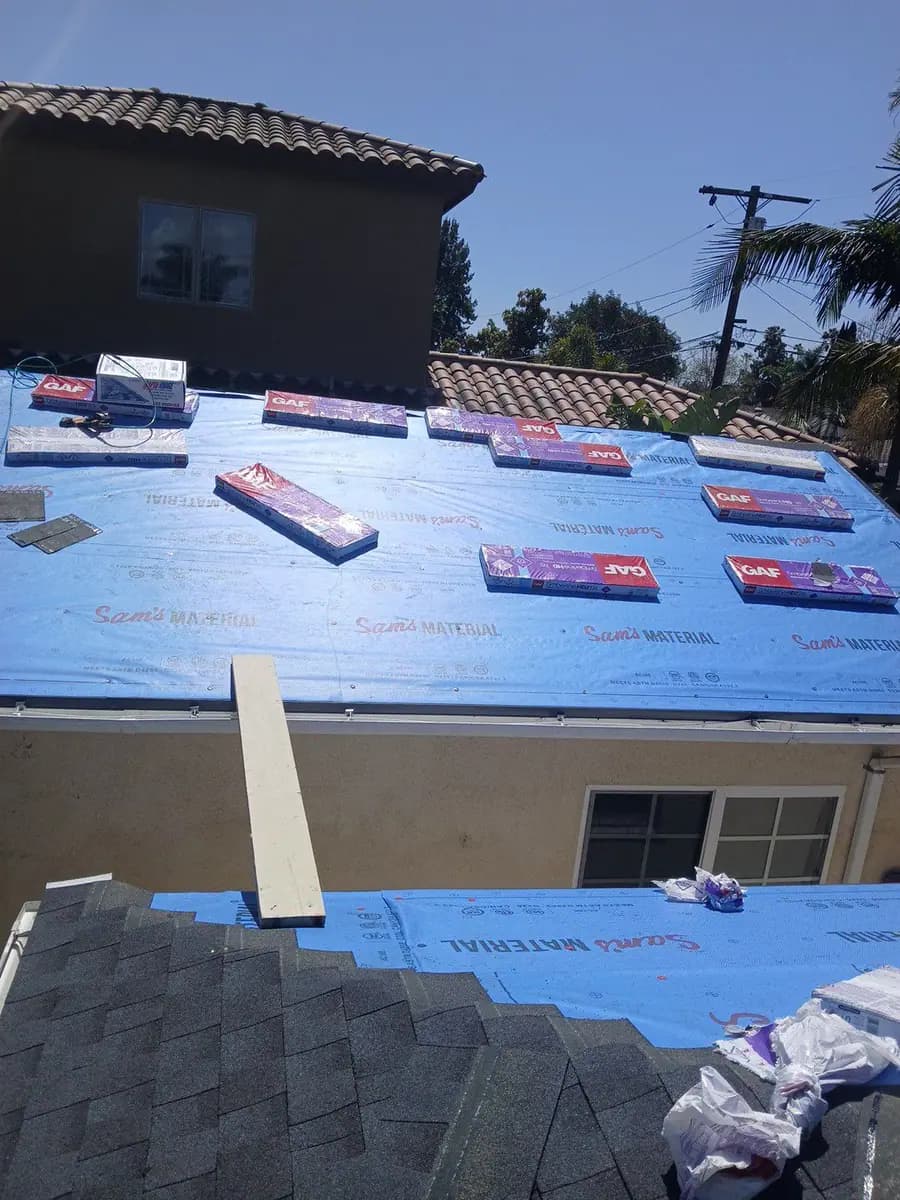
Underlayment and staged shinglesBlue roof underlayment with packaged shingles and an adjacent tile-covered roof in the background.
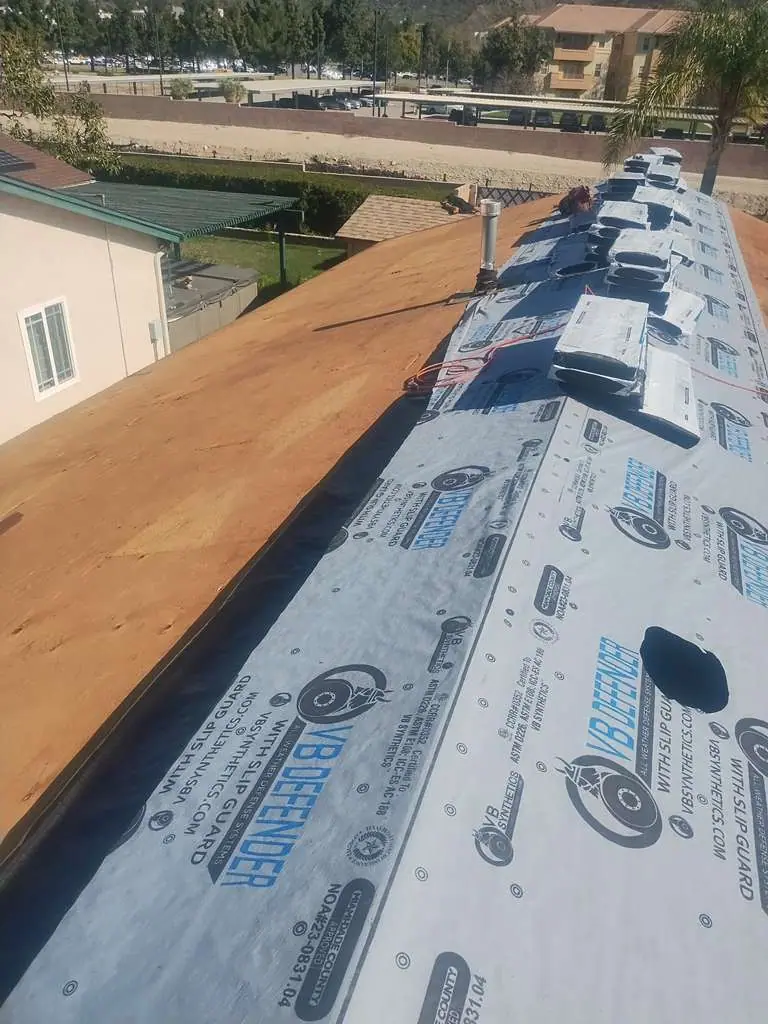
Underlayment along a ridgePrinted underlayment and staged material along a roof ridge beside exposed wood decking.
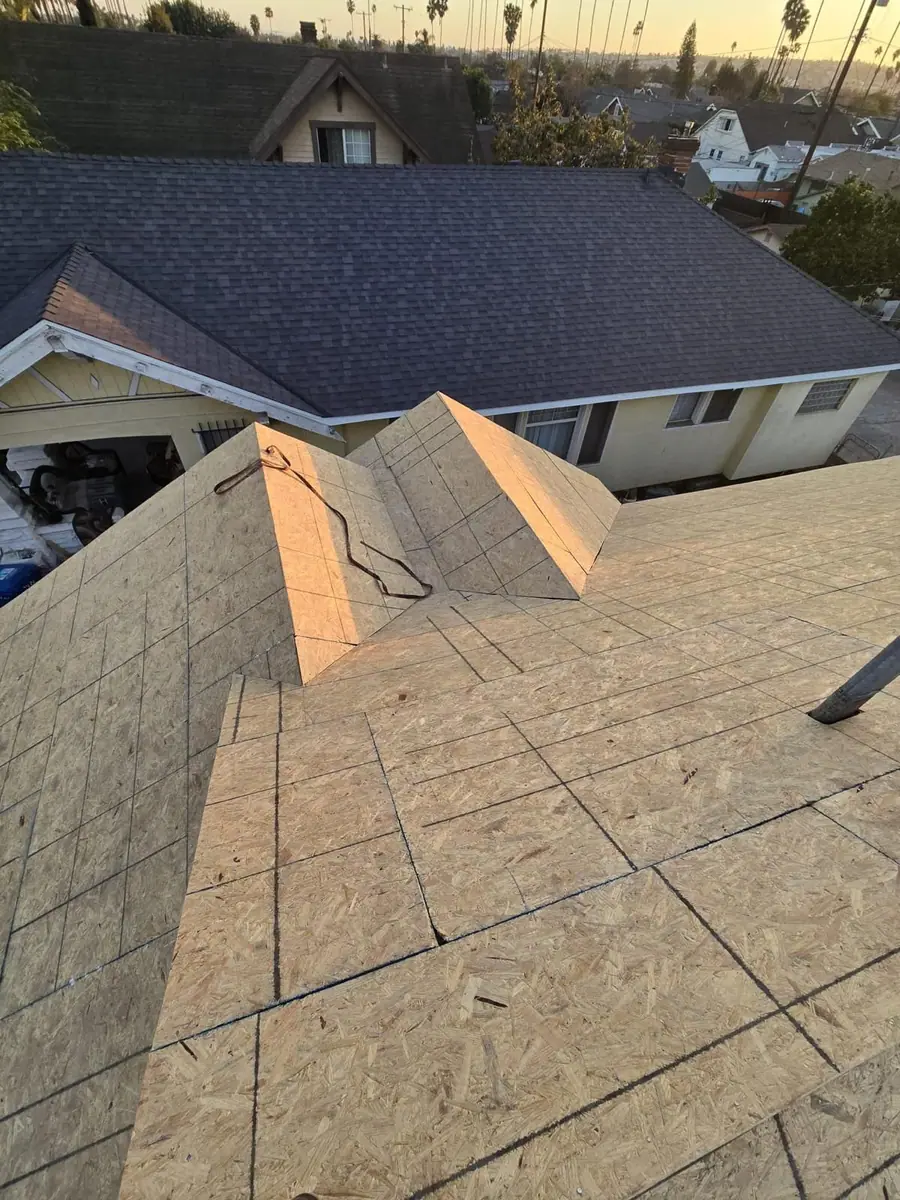
Roof deck ridges at duskWood roof decking across connected slopes in warm evening light.
COST WITHOUT GUESSWORK
What affects tile roof repair and replacement cost?
Every estimate is free and follows your property and the agreed scope. These factors shape the price of the work.
Clay or concrete product, profile, and matching availability
Safe tile removal, handling, reuse, and expected breakage
Underlayment, flashing, and concealed deck conditions
Structural review or related work if assembly weight changes
LONG BEACH & SOUTHERN CALIFORNIA
Tile roofs in Long Beach: structure, slope and coastal flashing
Tile is familiar in Southern California architecture, but style alone does not establish suitability. Confirm the property’s structure, roof slope, fastening needs, and local requirements. Coastal exposure can also affect metal flashings and other accessories beneath or beside the tile.
Exterior changes to homes in Long Beach historic districts, including re-roofing, need a Certificate of Appropriateness before work starts. The certificate does not replace the building permit.
Long Beach issues building permits to a licensed contractor with a valid California State Contractor's License and an active Long Beach Business License, or to the homeowner of a one- or two-family dwelling under the City's Information Bulletin BU-029.
Yes. Water management also depends on the underlying assembly and transition details. Underlayment deterioration, flashing problems, or penetrations may contribute even without an obvious broken tile.
Can the original tiles be reused?
Reuse depends on condition, handling, compatibility, and the proposed work. Breakage or unavailable matching profiles may affect the result. Ask how reuse quantities and replacement allowances will be documented.
Can I walk on the tiles to check them?
Avoid roof access without appropriate training and protection. Tile can be fragile, slippery, and difficult to traverse safely. Ground-level photographs and professional assessment are safer starting points.
Can I replace shingles with tile?
That change can alter roof loads, fastening, and other requirements. Have structural suitability and project-specific requirements evaluated before choosing a tile product. An attractive profile is not evidence that the existing structure is adequate.
Do historic tile roofs have special rules in Long Beach?
Yes. Re-roofing in a historic district needs a Certificate of Appropriateness before work starts. The City's application associates clay tile with Spanish, Mission, Mediterranean and Italian styles, and states that clay tile coping must be reused on all flat roofs.
Why does a tile roof leak when the tiles look fine?
Tiles shed most of the water, but the underlayment and flashing beneath them keep the building dry. When those layers age or fail, water can get in even though the tiles look intact.